VTV.vn – Middle East Conflict Affects the World’s Most Important Shipping Route, Many Vietnamese Companies Forced to Bring Goods Back to Warehouse, Find Safe Routes, and Face Increased Costs
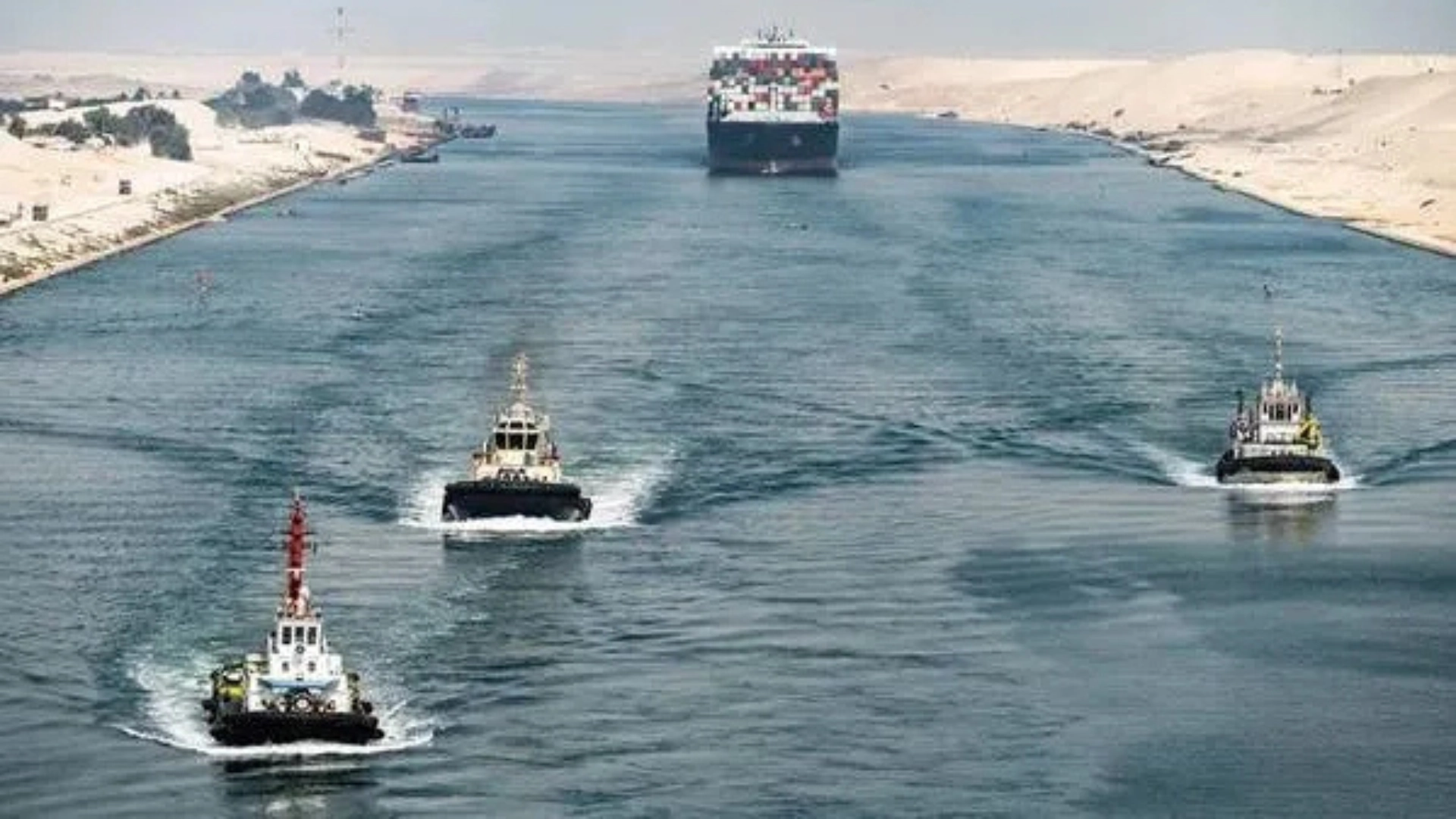
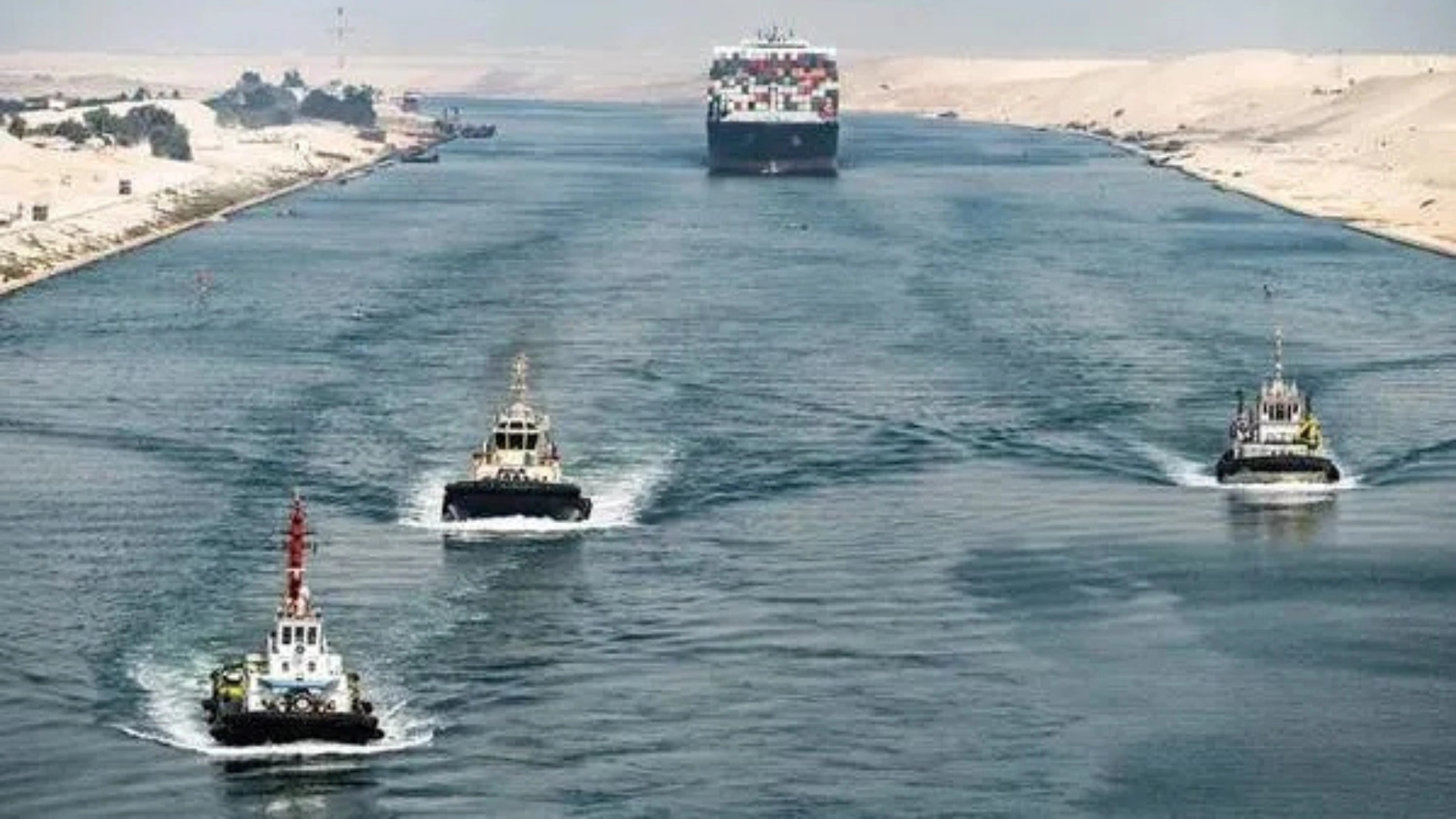
Cargo ships passing through the Suez Canal. Photo: Adobe Stock
For many years, the shipping route through the Suez Canal – connecting the Mediterranean Sea to the Red Sea – has been the shortest path for goods traveling from Asia to Europe and the East Coast of the United States. For Vietnam, this is a particularly important transport route for key export products such as textiles, footwear, electronics components, and fresh agricultural products.
Mr. Nguyễn Chí Đức, Deputy General Director of Bluesky Group Services and Trading Company Limited, noted that the impact of the Middle East conflict this time is "multi-dimensional and significant" on the domestic logistics sector, as Vietnam is currently a crucial part of the global supply chain.
The industries most affected are those shipping to Europe or the East Coast of the U.S., including items that pass through the Suez Canal such as textiles, footwear, electronics components, and especially fresh agricultural products – goods with a short shelf life. Mr. Đức noted that increased freight costs and extended delivery times are the earliest effects.
“Just this morning, some shipments were notified by shipping lines about sudden cost increases. The shipping companies canceled them, forcing us to bring the goods back to the warehouse and temporarily store them until the lines reopen the route,” Mr. Đức said.
The company currently has a global network, with 40-50% of its shipments passing through the Middle East to Europe and the East Coast. According to the business, the impact of this conflict is large, but it is still too early to fully assess the effects. However, the immediate scenario is clear: disruptions and high costs. Not only are transportation costs affected, but insurance and fuel costs are also rising.
“In my experience, previous conflicts typically pushed fuel costs up by about 20%,” said Mr. Đức, adding that the company has also received warnings about the potential shortage of fuel for both sea and air transport.
“All shipments to the Middle East have been notified to stop. Remaining routes are being diverted, not passing through the Suez Canal, significantly increasing costs,” said Mr. Nguyễn Thanh Tuấn, CEO of Bluesky Group Services and Trading Company Limited, discussing the impact of the conflict on domestic logistics operations through the Suez route. He described the situation as "quite tense."
According to him, the freight rate increase could be “in the range of 10-20%,” while insurance fees also rise due to the increased risks.
Earlier, the Department of Import-Export (Ministry of Industry and Trade) issued an urgent notice to industry associations and logistics with recommendations for diversifying supply sources and markets; tightening contract terms and insurance; proactively providing information and developing response scenarios; and ensuring energy security in the country. Businesses also need to proactively seek alternative markets to minimize risks when exports to Israel, Iran, and the Middle East face blockages, thus building long-term resilience.
As the Suez route narrows, many shipping lines are forced to reroute through the Cape of Good Hope – a journey that extends thousands of nautical miles around the southern tip of Africa before heading to the Atlantic Ocean. This route is safer in the context of the conflict, but it adds additional fuel costs, labor costs, and longer delivery times.
The company said it is proactively seeking alternative routes and considering hybrid transport solutions, combining sea, rail, and road to reduce risks.
“We are constantly ‘listening in’ and diversifying our supply chain. For exports, we are calculating to reduce transit through conflict zones,” Mr. Đức shared.
Another solution highlighted is investing in technology. This business uses real-time tracking applications to calculate and predict the extended transit times of each route or compare different mixed transport options to provide timely recommendations to customers.
Meanwhile, Bluesky Group Services and Trading Company Limited stated that it has proactively limited operations in unstable markets from before. “If there are goods on this route, we usually advise customers to choose safer options such as air transport,” said Mr. Nguyễn Thanh Tuấn.
However, in the short term, many businesses still have to accept the “standstill” solution. “We hope customers will understand, and also accept canceled orders or temporary pauses to monitor the situation,” Mr. Tuấn said.
In recent years, Vietnam has emerged as a center for manufacturing and transshipment of goods in the region, with import and export turnover continuously setting new records. The heavy dependence on international shipping routes, particularly those through the Middle East, means that any geopolitical fluctuation quickly affects domestic businesses.
For logistics companies, the “worst-case scenario” seems to have become a part of the business plan. Each container leaving the port is not just a trade story, but also a complex calculation between costs, time, and safety.
Source: H.Đào – VTV.vn News
LATEST NEWS
Logistics companies are moving goods to warehouses and finding alternative routes around the Cape of Good Hope amid the Middle East conflict.
VTV.vn – Middle East Conflict Affects the World’s Most Important Shipping Route, Many Vietnamese Companies Forced to Bring Goods Back to Warehouse, Find Safe Routes, and Face Increased Costs Cargo ships passing through the Suez Canal. Photo: Adobe Stock For many years, the shipping route through the Suez Canal – connecting the Mediterranean Sea to the Red Sea – has been the shortest path for goods traveling f
Blueskygroup Introduces New Freight Consulting Solutions to Help Businesses Save Costs
Ho Chi Minh City, Vietnam – Blueskygroup is pleased to introduce its new Freight Consulting Solutions, designed to help businesses optimize their shipping costs while improving overall logistics efficiency. As global trade continues to evolve, companies face growing pressures to reduce costs while maintaining high standards of service. Blueskygroup’s latest service offering aims to help businesses navigate the complexities of freight management, allowing them to make smarter, more cost-effective decisions. The new Freight Consulting Solutions inclu
Blueskygroup Strengthens Customs Documentation Support Services
Ho Chi Minh City, Vietnam – Blueskygroup is enhancing its Customs Documentation Support Services, offering businesses more comprehensive and efficient solutions to handle the complexities of international trade. As part of its commitment to providing seamless shipping experiences, Blueskygroup is expanding its services to ensure that all customs documentation is handled accurately and promptly, helping businesses save time and avoid costly delays. With the implementation of the new Chemical Law 69/2025/QH15 and tighter regulations
BLUESKY GROUP SERVICES AND TRADING COMPANY LIMITED
Address:
645 Hoang Sa Street, Xuan Hoa Ward, Ho Chi Minh City, Vietnam